
McMaster Health Technology Publications
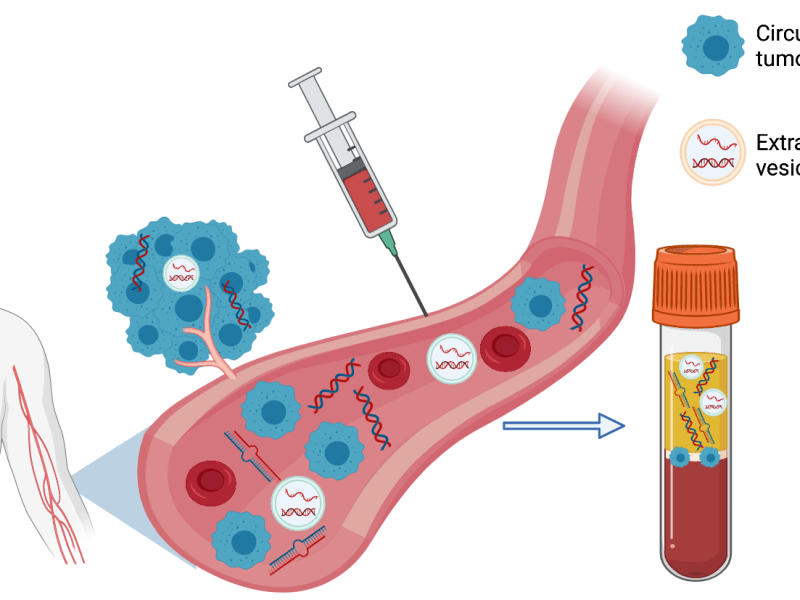
Liquid Biopsy & Non-Invasive Cancer Screening
Author: Navneet Kaur, McMaster University New biotechnological inventions and breakthroughs for cancer treatments are being made by doctors and scientists worldwide. One of the most recent and promising advancements is the liquid biopsy, a medical test that detects cancer tumors and holds incredible potential as a non-invasive cancer screening tool. While still being perfected, liquid…
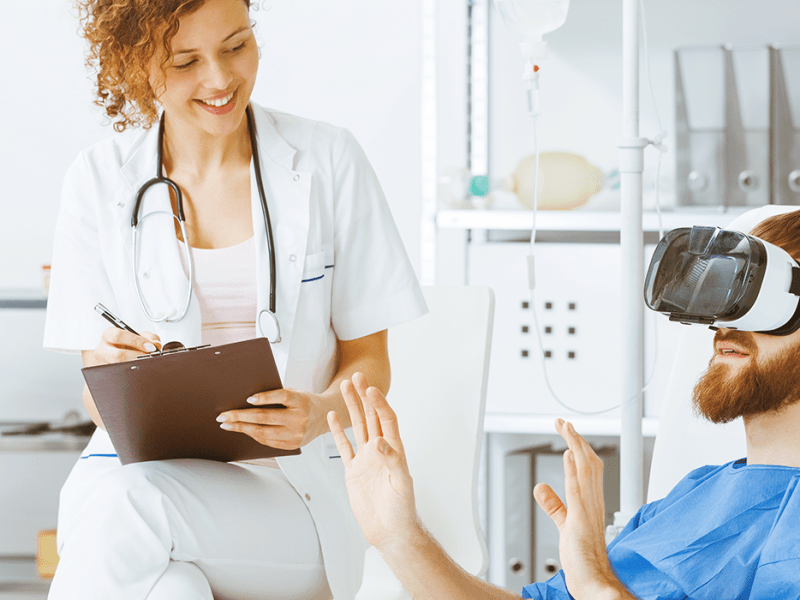
How Augmented Reality Improves the Experience of Pain Management in Pediatric Care
Author: Praveen Kugathas, McMaster University Virtual reality (VR) and augmented reality (AR) are emerging as promising tools in the treatment of pediatric chronic pain conditions, offering innovative ways to manage both physical and psychological aspects of pain.2 VR engages the user’s senses by producing an incredibly realistic three-dimensional experience. When a child wears a VR…
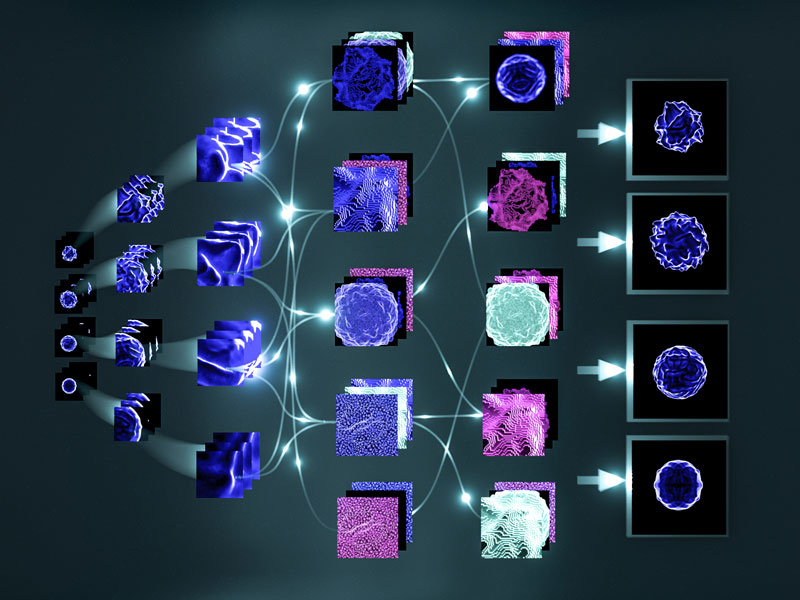
What Role does Machine Learning Play in Early Cancer Detection?
Author: Ashley Smith, McMaster University Cancer impacts millions globally, presenting challenges in diagnosis, treatment, and prognosis. Physicians and healthcare providers often require significant time to diagnose cancers according to their specific type, stage, and progression, as well as to develop a treatment plan for the patient. What if there were a tool that could diagnose…

Naloxone: its Mechanism & Importance
Author: Donna Mahboubi Drug overdose deaths are on the rise globally. In 2019, about 600000 deaths were attributed to drug use.1 The primary culprit: opioids, which are responsible for over 75% of drug overdose deaths.2 We can reverse these overdoses with a revolutionary drug called naloxone. Mechanism Naloxone is an opioid antagonist, meaning it binds…
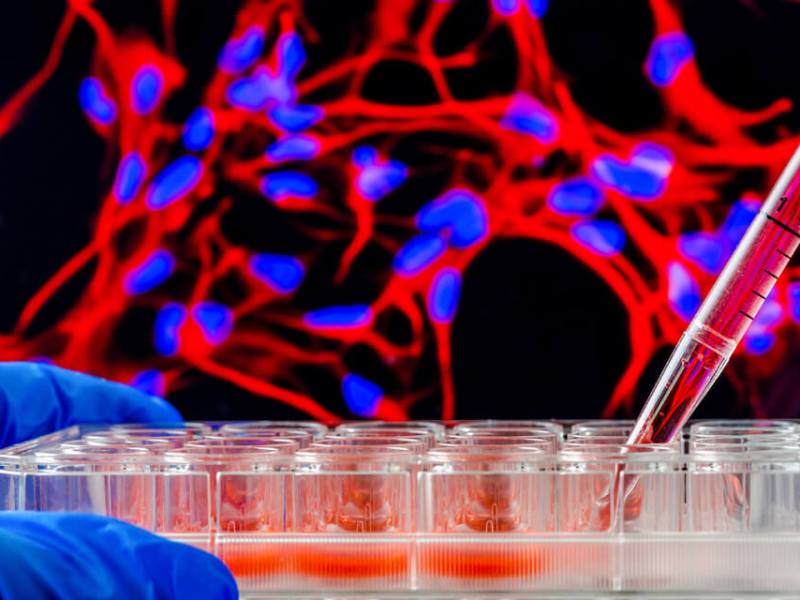
Tissue Engineering and its Implications in Modern Medicine
Author: Kiyana Rahimian Over half a century ago, the first internal organ transplant took place. A seminal kidney transplant marked the start of years using organ transplants as a means to treat diseased and injured organs. As years progress, the population of older individuals who are more susceptible to organ failure increases. This worsens the…
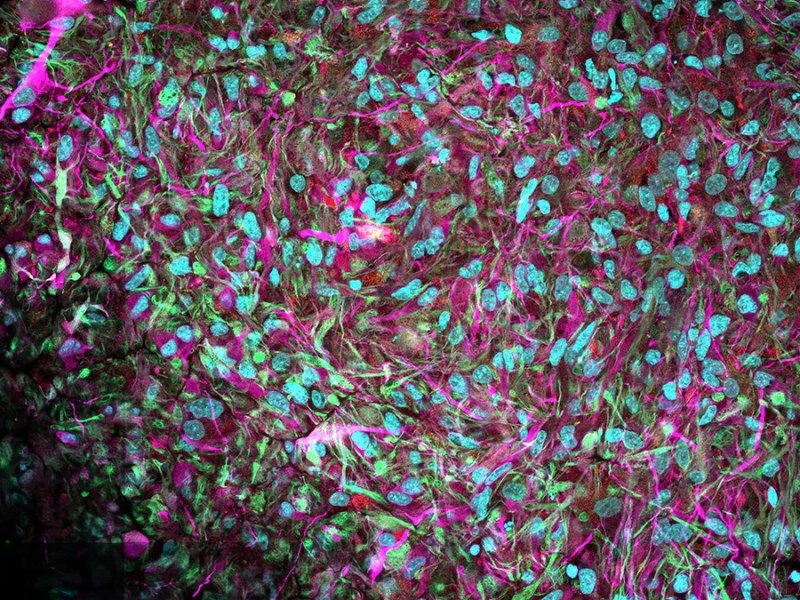
Replacing the A in AI: Unleashing the Power of Miniature Minds
Author: Kiyana Rahimian “Pick all the cells with traffic lights”… Often, when opening a website, users have to verify that they’re not automated software by completing a test where they select certain parts of a picture. Such tests are types of Automated Turing tests. The Turing test, developed by Alan Turing, helps determine if technology…
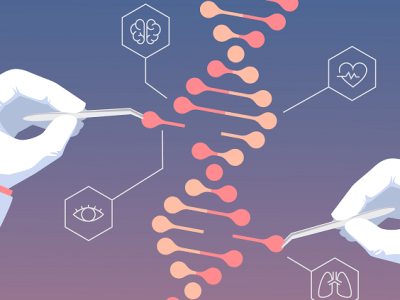
What is Soft CRISPR?
Author: Ashley Smith Embarking on new advances in health technology, gene therapy stands as the most thrilling, yet nerve-wracking breakthroughs. Enter CRISPR — a revolutionary tool that sparks a cascade of questions: What is CRISPR? How does it work? Is gene therapy safe? Across the world, a community of dedicated scientists, physicians, nurses, and health…
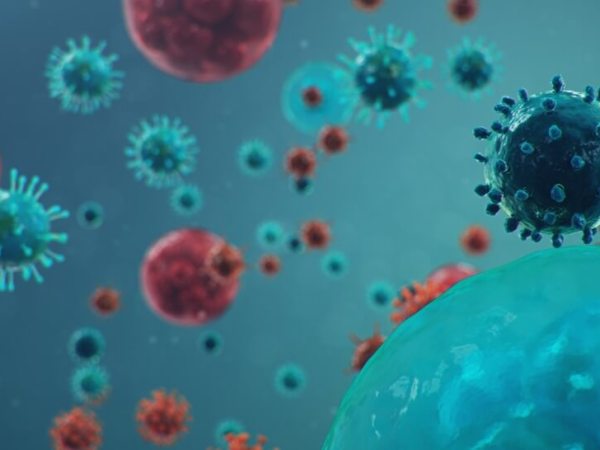
Treatments for Immunodeficiencies
Author: Muhammad Siddiqui Immunodeficiency is a broad term that results in the failure or absence of elements in the immune system (1). As a result, individuals are often more susceptible to infections and diseases, leading to adverse health outcomes. There are two main types of immunodeficiency: primary and secondary. Primary refers to inherited genetic immunodeficiencies,…

Galaxy: an Ever-Growing Constellation of Open-Source Solutions for Drug Discovery Scientists
Caden Chan – McMaster University Underlying every cured disease and prescribed treatment is the notoriously exhaustive process of drug discovery. In the past decade, computer-aided drug design (CADD) has become indispensable in accelerating the discovery and analysis of potential therapeutics. However, research and development in medicine continues to be alarmingly expensive and time-consuming; an investment…

Robot-Assisted Surgery: the Future of Medicine?
Kudrat Ghotra – McMaster University When we think of “robot arms”, the first image that comes to many resembles science fiction. But these aren’t fantasy; they exist in medicine today. It is a prime example of how technology combined with biology has revolutionized the field of medicine. Robot-assisted surgery has been utilized since the 1990s,…
Something went wrong. Please refresh the page and/or try again.
Follow The Blog
Get new Mac HealthTech content delivered directly to your inbox.
 McMaster HealthTech